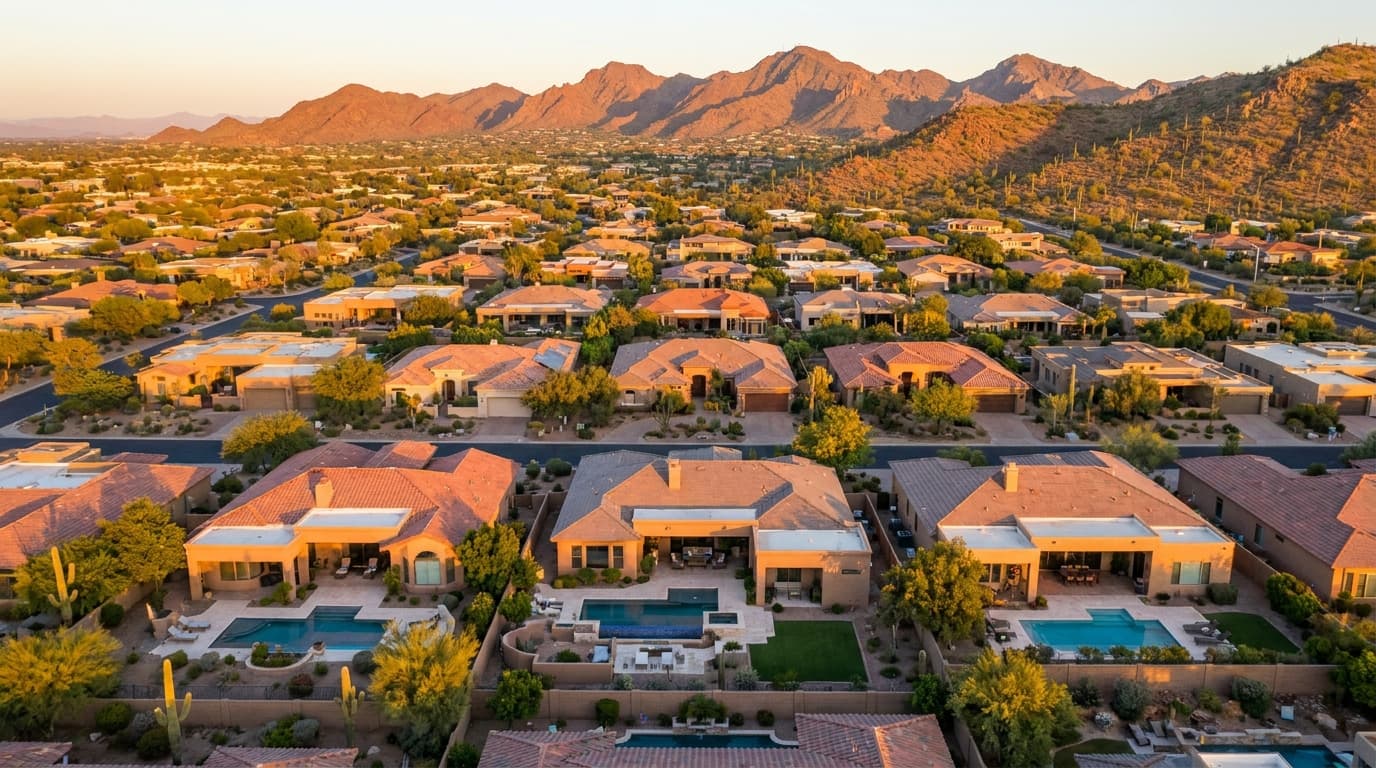
Phoenix vacation rental hosts deal with extreme seasonality that would make most other markets look stable. After 12 years of hosting and managing 100+ properties, I can tell you the difference between optimized listings and amateur ones becomes stark when temperatures hit 115°F and bookings crater.
The Phoenix market rewards hosts who understand snowbird psychology and position their properties as desert escapes, not just another rental. Here's how to optimize your listing for this unique market.
Understanding Phoenix's Snowbird Market Dynamics
Phoenix operates on an inverted season compared to most vacation markets. Your peak months are December through March, when Canadians and Midwesterners flee to the desert. A well-positioned property can go from a quiet August to a nearly full February.
The snowbird demographic skews older (55+) with higher spending power and longer stays. They book 2-4 week stays rather than weekend getaways. This means your pricing strategy and listing optimization needs to speak to comfort, convenience, and value over party vibes.
Key snowbird priorities:
- Consistent heating and cooling
- Easy parking and single-level access
- Proximity to healthcare and shopping
- Golf course access
- Clean, updated furnishings
The mistake most Phoenix hosts make is treating snowbirds like spring breakers. These guests want a temporary home, not a party house.
Pool-Centric Photography Strategy
Your pool isn't just an amenity in Phoenix — it's your primary selling point from October through May. The strongest Airbnb Phoenix listings lead with pool photography that sells the desert lifestyle.
Your cover photo should show the pool with desert landscaping in the background. Skip the typical "lounge chair by the pool" shot. Instead, capture the pool at golden hour with saguaro cacti or mountain views visible. This immediately signals "Arizona experience" to potential guests.
Photo sequence that converts:
- Pool with mountain/desert backdrop (cover)
- Pool deck setup for entertaining
- Interior living space with pool view
- Master bedroom
- Kitchen with breakfast nook
- Pool at sunset/night with lighting
Reordering your photos to lead with pool shots instead of interior rooms is one of the easiest, highest-impact fixes available.
For summer months when the pool becomes less appealing during peak heat, emphasize covered outdoor areas, morning pool usage, and indoor comfort. Show the pool at sunrise or late evening when it's actually usable.
Winter Peak Pricing Maximization
Phoenix pricing strategy requires aggressive winter maximization to carry you through the summer slump. Base rates should triple between your lowest summer rates and peak February rates.
An illustrative pricing progression:
- September: $80-120/night (shoulder season recovery)
- December: $150-220/night (snowbird arrival)
- January-February: $200-350/night (peak demand)
- March: $180-250/night (spring training crowds)
- April: $120-180/night (locals before heat hits)
The key is capturing extended stays during peak season. Offer 20-25% weekly discounts and 35-40% monthly discounts. A snowbird booking your place for six weeks in January at $250/night with a monthly discount still nets you roughly $6,300, likely more than you'd make across the summer at $50-80/night.
Dynamic pricing tools often underprice Phoenix properties during peak season because they don't account for the extreme seasonality. Monitor comparable properties manually and price 10-15% above market rate if you have strong reviews and amenities.
Summer Survival Pricing
Summer in Phoenix isn't about profit — it's about covering costs while maintaining your listing momentum. Properties that go completely dark from June through September lose algorithm favor and struggle to rebuild visibility.
Your summer strategy should focus on:
- Local business travelers and relocating families
- Ultra-competitive pricing ($50-80/night)
- Longer minimum stays (3-5 nights) to reduce turnover costs
- Energy cost management through guest education
Summer guests are primarily locals who need temporary housing (home renovations, family visits) or business travelers. They're price-sensitive and function-focused. Emphasize air conditioning, WiFi, and convenient location over leisure amenities.
I recommend keeping occupancy above 50% even if it means break-even pricing. The alternative — closing for summer — creates a 4-month gap that devastates your search ranking and review momentum.
Spring Training and Event Pricing
Phoenix hosts often miss significant revenue opportunities during spring training season (March) and special events throughout the year. These create pricing spikes that can add meaningfully to your annual revenue.
Spring training creates demand from baseball fans visiting Scottsdale and Tempe stadiums. Research the Cactus League schedule and price up 40-60% for game weekends, especially when popular teams like the Cubs or Giants are playing.
Other Phoenix events that drive pricing opportunities:
- Phoenix Open golf tournament (February) — 50-100% price increase
- Arizona State University graduation (May) — 30-50% increase
- NASCAR races at Phoenix Raceway — 40-60% increase
- Various conferences at Phoenix Convention Center
Set calendar alerts for these events and adjust pricing 60-90 days in advance. Many hosts miss these opportunities because they don't track local event calendars.
Scottsdale vs Phoenix Positioning
Where your property sits determines your entire marketing strategy. Scottsdale commands premium rates but requires luxury positioning. Phoenix proper allows broader appeal but needs value positioning.
Scottsdale listings should emphasize:
- Golf course proximity and desert views
- High-end restaurants and shopping
- Luxury amenities and finishes
- Privacy and exclusive feel
Phoenix listings should emphasize:
- Value and practical amenities
- Airport and freeway access
- Local attractions and dining
- Family-friendly features
The pricing gap is significant. Comparable properties in Scottsdale can command noticeably higher rates than Phoenix zip codes. But Phoenix properties often achieve higher occupancy rates due to broader appeal.
If you're in a Phoenix location near Scottsdale (like Ahwatukee or North Phoenix), position yourself as "Scottsdale-adjacent" to capture some premium positioning while maintaining competitive pricing.
Your title should reflect this positioning. "Desert Oasis with Pool in North Scottsdale" works better than "3BR House Near Scottsdale." The first suggests an experience; the second states basic facts.
Neighborhood-Specific Optimization
Phoenix's sprawling geography creates distinct micro-markets that require different approaches:
Central Phoenix/Roosevelt District: Target young professionals and downtown visitors. Emphasize walkability, nightlife access, and urban amenities.
Ahwatukee: Family-friendly positioning with hiking access. Great for longer stays and business travelers.
North Phoenix/Deer Valley: Value positioning with easy freeway access. Appeal to budget-conscious travelers and families.
Paradise Valley: Ultra-luxury market. Require luxury photography and premium pricing.
Research your specific zip code's vacation rental density and position accordingly. Oversaturated areas need stronger differentiation through amenities or pricing.
Phoenix Listing Description Framework
Your description should sell the Arizona experience, not just list features. Snowbirds want to imagine their desert escape.
Strong opening example: "Escape winter at this desert retreat with sparkling pool, mountain views, and covered patio perfect for morning coffee. Located in quiet North Phoenix neighborhood, you're 15 minutes from Scottsdale golf courses and hiking trails."
Weak opening: "This 3-bedroom house has a pool, updated kitchen, and sleeps 8 guests."
Include specific distances to major attractions:
- Sky Harbor Airport (X minutes)
- Closest golf course
- Hiking trails (South Mountain, Camelback)
- Shopping (Kierland, Fashion Square)
End with seasonal positioning: "Perfect for snowbird extended stays with monthly discounts available."
These strategies work for most Phoenix properties, but every listing has unique positioning opportunities based on exact location, amenities, and target market. Your neighborhood might command premium spring training rates, or your pool setup might appeal specifically to families over snowbirds.
For a detailed analysis of your specific property's optimization potential, get a professional audit from STRAudits. You'll get specific recommendations on the positioning, pricing, and photo strategies that work for your location and property type — delivered in 48 hours for $49.