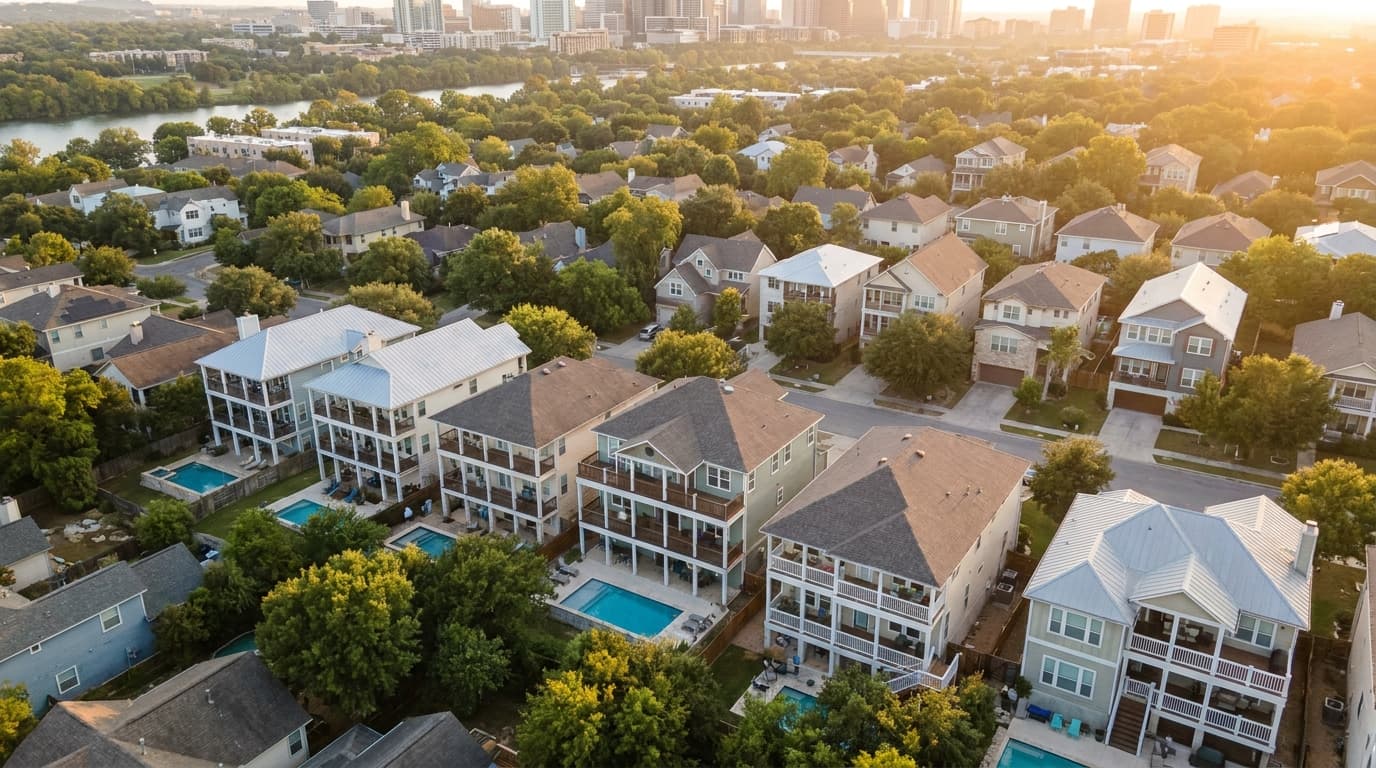
Austin's vacation rental market is one of the most regulated in Texas, which means every listing detail matters more than usual. With limited STR permits and high competition, hosts who optimize their Airbnb Austin listings consistently outperform those who don't.
After 12 years of hosting and managing 100+ properties, I've found the difference between top performers and struggling hosts comes down to five key areas: understanding regulations, nailing seasonal pricing, positioning for the right neighborhood, showcasing outdoor spaces properly, and knowing your guest segments.
Austin STR Regulatory Landscape
Austin caps short-term rental permits at 2,932 citywide, with Type 2 licenses (homestead properties where the owner lives on-site) being the only new permits issued since 2022. This scarcity makes optimization crucial.
The most successful Austin hosts understand that permit scarcity creates opportunity. Your listing isn't just competing with other vacation rentals — it's competing with hotels that cost $300-500/night during peak periods.
Title optimization for Austin regulations:
- Lead with "Licensed STR" or "Permitted Vacation Rental" in your title
- Include your permit number in the first line of your description
- Mention compliance with city noise ordinances
Example of a strong Austin title: "Licensed Downtown Loft • Walking Distance to Rainey Street • Permitted STR #2847"
The permit number builds immediate trust, and putting it upfront answers a question many cautious guests would otherwise message you about.
SXSW and ACL Pricing Strategies
Austin vacation rental pricing revolves around three major periods: SXSW (March), Austin City Limits (October), and Formula 1 (October). During these events, daily rates can jump from $150 to $800+ per night.
SXSW pricing (March 8-17, 2024):
The mistake most Austin hosts make is pricing too conservatively. A 2-bedroom in East Austin that normally rents for $180/night should price at $600-800 during SXSW. Underpricing this single week can leave thousands of dollars on the table.
Set SXSW rates 6 months in advance. Enable the 7-day minimum stay requirement. Corporate groups and bands book early and pay premium rates.
ACL and F1 pricing (October):
October is Austin's golden month with ACL Weekend 1, ACL Weekend 2, and F1 all happening within three weeks. Smart hosts price the entire month at 3-4x normal rates.
Example pricing strategy for a downtown 1-bedroom:
- Normal rate: $200/night
- October base rate: $600/night
- ACL weekend premiums: $800/night
- F1 weekend: $900/night
The key is pricing the gaps between events high too. Visitors often extend stays to experience multiple events.
Summer pricing reality:
June through August see the lowest demand in Austin. Temperatures hit 105°F regularly, and locals flee to cooler destinations. Drop rates 20-30% below spring levels and target longer stays (7+ days) from remote workers escaping expensive coastal cities.
East Austin vs Downtown Positioning
Austin's neighborhoods attract completely different guest segments, and your optimization strategy should reflect that.
East Austin positioning:
East Austin draws younger travelers, music fans, and groups wanting the "authentic" Austin experience. Hosts in neighborhoods like Holly, Chestnut, or Mueller should emphasize walkability to breweries, food trucks, and music venues.
Strong East Austin titles focus on:
- Distance to popular spots: "5 min walk to White Horse," "2 blocks from Franklin Barbecue"
- Local character: "East Side Bungalow," "Artist's Studio in Holly"
- Group-friendly features: "Backyard Perfect for Groups," "Multiple Living Areas"
A strong East Austin title might look like this: "Musician's Retreat • Walk to Saxon Pub • Backyard Stage • Sleeps 8"
Downtown positioning:
Downtown Austin attracts business travelers, conference attendees, and tourists wanting convenience. These guests pay premium rates for walkability to the Convention Center, Rainey Street, and Lady Bird Lake.
Downtown titles should emphasize:
- Business amenities: "High-Speed WiFi," "Dedicated Workspace"
- Proximity to corporate areas: "2 blocks from Convention Center," "Walking distance to 6th Street"
- Luxury features: "Floor-to-ceiling windows," "Rooftop access"
Example downtown title: "Executive Suite • Convention Center Views • Rainey Street 3 min walk • Gym Access"
Pool and Outdoor Space Photos That Convert
Austin's outdoor culture makes pool and patio photos critical. A pool is one of the strongest summer selling points here, but only if the photos showcase it correctly.
Pool photography mistakes I see constantly:
- Taking photos during midday harsh light
- Showing empty, sterile pool areas
- Missing the "lifestyle" shots that sell the Austin experience
What works instead:
Golden hour pool shots with string lights visible are far more inviting than midday photos. Include lifestyle elements: floating pool toys, beverages staged on pool edges, people enjoying the space.
Picture a pool shot at sunset with the downtown skyline visible in the background, string lights reflecting on the water, and a floating tray with drinks. That one image sells the Austin experience better than a dozen midday photos.
Outdoor space optimization beyond pools:
Austin guests expect outdoor living spaces. Even a small patio can be a booking driver with proper staging:
- String lights are essential (Austin guests expect them)
- Stage outdoor dining areas with local beer bottles or coffee cups
- Include fire pit photos for fall/winter bookings
- Show outdoor speakers or entertainment areas
Imagine an East Austin host restaging their backyard photos to include a guitar leaning against a chair, local beer bottles on a picnic table, and string lights creating ambiance. The same yard suddenly tells a story guests want to be part of.
Tech Traveler vs Tourist Optimization
Austin attracts two distinct guest segments requiring different optimization approaches.
Tech travelers:
These guests stay 5-14 days, book Sunday-Thursday, and prioritize workspace and reliable internet. They're often relocating to Austin or working remotely while exploring the city.
Tech traveler optimization:
- Lead with "High-Speed Internet" and actual speed tests (100+ Mbps)
- Showcase dedicated workspace with proper lighting
- Mention proximity to tech corridors: Domain, downtown office buildings
- Include kitchen amenities for longer stays
- Price competitively for weekly stays (15-20% discount)
Tourists and event attendees:
Weekend warriors, bachelor parties, and event attendees prioritize location, entertainment, and group spaces.
Tourist optimization:
- Lead with entertainment: "65" Smart TV," "Sound System"
- Emphasize walkability to bars and restaurants
- Showcase group spaces and sleeping arrangements
- Include local recommendations in your description
- Price for 1-3 night stays with weekend premiums
Year-Round Pricing Calendar
Austin's demand patterns are predictable once you understand them. Here's a pricing framework to start from:
Peak season (March, October, December):
- Base rates 2-3x normal
- Minimum stays during events (3-7 days)
- Premium location adjustments (+20-50%)
Shoulder season (April-May, November):
- Base rates +20% above summer
- Target extended weekends (2-3 nights)
- Corporate group pricing
Low season (June-August):
- Base rates -25% from spring
- Weekly stay discounts (20-25%)
- Target relocating professionals and extended stays
Winter (January-February):
- Base rates -15% from spring
- New Year's premium for December 31-January 2
- Target longer-term guests (monthly stays)
The most successful Austin hosts update their pricing monthly, not seasonally. January pricing should already be live in November. March pricing should be set by December.
Dynamic pricing tools work differently in Austin:
Standard algorithms often miss Austin-specific events like Eeyore's Birthday Party, Pecan Street Festival, or Blues on the Green. Manual overrides for local events can add meaningful revenue over a year.
Local Event Calendar Integration
Austin hosts who track and price for smaller local events outperform those who only focus on major festivals.
High-demand weekends most hosts miss:
- Eeyore's Birthday Party (April): Hippie-themed festival in Pease Park
- Republic of Texas Biker Rally (June): Motorcycle rally weekend
- Zilker Kite Festival (March): Family-friendly weekend
- Austin Marathon (February): Sporting event with out-of-town participants
Each of these events justifies 2-3x pricing for properties in relevant areas. Tracking these events and adjusting pricing 60 days in advance captures revenue that most hosts leave behind.
Seasonal optimization beyond events:
Austin's outdoor culture means demand shifts with weather. Pool properties should price highest April-May and September-October when temperatures are perfect. Winter bookings drop significantly, but properties with hot tubs or fire pits can maintain premium pricing.
Austin's regulated STR market rewards hosts who optimize strategically. These tactics work because they're based on Austin-specific demand patterns and guest behavior.
But every Austin property faces unique challenges — a downtown condo needs different optimization than an East Austin bungalow, and your specific amenities, neighborhood, and permit situation require customized strategies.
Want optimization recommendations specific to your Austin vacation rental? Get a professional STRAudits listing audit for $49. You'll receive detailed analysis of your title, photos, pricing, and positioning strategy — plus Austin-specific recommendations based on your neighborhood and property type, delivered in 48 hours.