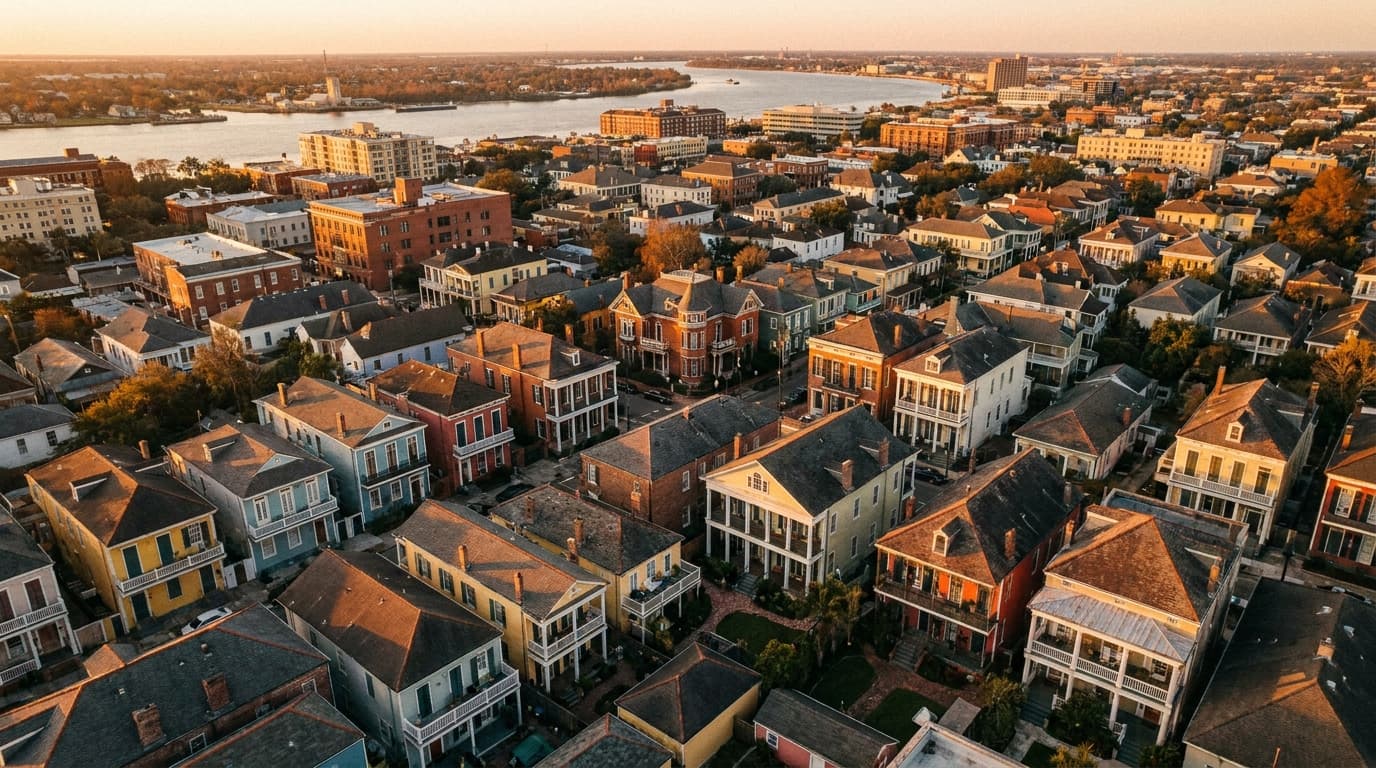
New Orleans Airbnb hosts face some of the toughest regulations in the country, but the market rewards those who understand the city's rhythm. After 12 years of hosting and managing 100+ properties, I can tell you the successful New Orleans rentals share specific traits: they position themselves strategically, price around major events, and tap into what makes NOLA genuinely special.
The hosts struggling aren't necessarily in bad locations or running poor properties. They're treating New Orleans like any other market. That's a mistake.
New Orleans Regulatory Maze: What You Need to Know
The city caps short-term rentals at roughly 3,000 permits, and getting one requires jumping through hoops that would make a circus performer sweat. But here's what most hosts miss: the regulations actually create opportunity.
The permit scarcity means less competition. While Austin has 13,000+ STRs and Nashville has 6,000+, New Orleans' cap keeps supply artificially low. Well-run permitted properties here can hold up better in shoulder seasons than hosts in more saturated cities.
Commercial versus residential permits matter for positioning. Commercial permits (in the French Quarter, CBD, and parts of Marigny) allow year-round operation but cost more. Residential permits limit you to 90 days per year but work in neighborhoods like Magazine Street, Garden District, and Bywater.
If you have a residential permit, focus on peak events. When your nights are limited, spending them on Mardi Gras, Jazz Fest, and Sugar Bowl visitors makes every one of them count.
The inspection requirements are actually your friend. New Orleans requires annual safety inspections, which sounds like a hassle but creates a quality floor. Properties that pass inspection can legitimately market themselves as "city-certified" — use this in your title and first paragraph.
French Quarter vs Neighborhood Strategy
Most hosts default to "close to French Quarter" messaging regardless of their actual location. This dilutes your positioning and misses the point of why guests choose neighborhoods.
French Quarter properties should lean into convenience and nightlife access. Your guests want to stumble home from Bourbon Street at 2 AM and sleep until checkout. They're not looking for authentic neighborhood experiences — they want location, location, location.
Picture a French Quarter studio titled "Cozy French Quarter Apartment." Changing it to "30 Steps from Bourbon Street - Walk Everywhere," and leading the photos with the street view showing nearby bars and restaurants instead of interior shots, speaks directly to what these guests want.
Garden District properties should emphasize charm and architecture. These guests chose your neighborhood for the mansions, streetcar rides, and Magazine Street shopping. Positioning around a "Victorian mansion experience" instead of generic New Orleans appeal can justify a meaningfully higher rate.
Bywater and Marigny properties win with local culture messaging. These neighborhoods attract guests who want to feel like locals. They're eating at Bacchanal, shopping at French Market, and attending shows at Music Box Village.
Imagine a Bywater property relying on generic "funky neighborhood" language. Rewriting the description to mention specific local spots makes it far more compelling: "Two blocks from Bacchanal Wine Bar's backyard concerts, walking distance to Crescent Park river views, and around the corner from the best Vietnamese po-boys in the city (Dong Phuong Bakery)."
Event-Based Pricing That Actually Works
New Orleans has a predictable calendar of demand spikes. The hosts making serious money understand this rhythm and price accordingly.
Mardi Gras season runs January through Fat Tuesday. Not just the week of Mardi Gras — the entire season. The same property can justify a far higher rate in February than in December. The key is understanding the parade schedule.
Uptown properties along St. Charles command premium pricing during all parades, but especially Bacchus and Endymion. French Quarter properties do best during the weekend parades when tourists flood in. For well-placed properties, the Mardi Gras season can account for a large share of annual revenue.
Jazz Fest weekend pricing should be aggressive. Two weekends in late April/early May when music fans descend on the city. Properties within Uber distance of the fairgrounds can charge 300-400% of normal rates. But here's the detail most hosts miss: Thursday arrivals command higher rates than Friday arrivals because many visitors come for the entire long weekend.
Summer is when smart hosts clean up. Everyone knows about Mardi Gras and Jazz Fest. The opportunity is in July and August when occupancy drops city-wide but demand still exists from budget-conscious travelers and business visitors.
A Tremé property, for example, could focus its summer marketing on "beat the heat" amenities: excellent AC, pool access, and proximity to air-conditioned museums and shopping. That gives guests a reason to pay more than they would for a competitor that only cut its price.
Creating Authentic NOLA Experience in Your Listing
Generic New Orleans theming doesn't work anymore. Guests can spot fake authenticity from the airport shuttle.
Your photos should tell a New Orleans story, not just show rooms. Include shots of your neighborhood's character: the corner restaurant, nearby street art, or morning coffee spot. For a Magazine Street listing, a photo of the walk to the streetcar stop says more than another bedroom shot.
Local artwork matters more than generic decor. Commission pieces from local artists or shop at French Market for authentic touches. Swapping mass-produced "jazz theme" wall art for pieces from local painters gives guests something memorable to mention in their reviews.
Stock local products, not tourist trap souvenirs. Community Coffee instead of Folgers. Zatarain's spices in the kitchen. Local guidebooks from Garden District Book Shop. These details cost maybe $50 extra but signal authenticity.
Music and Food Culture Messaging That Converts
New Orleans sells itself, but most hosts lean on clichés instead of specific cultural connections.
Music recommendations should go beyond the obvious. Everyone mentions Jazz Fest and Bourbon Street. The hosts who stand out recommend specific venues: "Saturday night jazz at Three Muses, Monday night soul at Vaughan's, Wednesday brass band practice at Backstreet Cultural Museum."
One simple idea: create a custom playlist of local artists and leave it queued on a Bluetooth speaker, then include the Spotify playlist link in your pre-arrival message so guests can start the trip in the right mood.
Food recommendations separate locals from tourists. Skip the "famous for beignets and gumbo" language. Get specific: "The best Vietnamese po-boy in the city is five blocks away at Dong Phuong. Mother's is for tourists — locals go to Ruby Slipper for brunch. Thursday night is jazz and BBQ at Bacchanal's backyard."
Consider a laminated card with specific food recommendations organized by price point and type of meal, with tips like "ask for extra debris at Parasol's" and "the bartender at Napoleon House makes the best Pimm's Cup in the Quarter." That's the kind of detail guests photograph and share.
Event calendar integration shows local knowledge. Don't just mention that events happen — show you understand the calendar. "During Second Line season (September-May), you might catch a parade any Sunday afternoon. The Krewe of Cork parades past our door every October, and there's usually a brass band practicing at the corner park on Wednesday evenings."
Summer Strategy: Turning Off-Season into Opportunity
Most New Orleans hosts treat summer as a time to lower rates and hope for the best. The smart ones see it as an opportunity to build loyalty with a different guest type.
Business travelers dominate summer weekdays. Convention Center activity, oil and gas meetings, medical conferences. These guests need reliable WiFi, good coffee, and easy access to business districts. They're not looking for party atmosphere — they want professional, quiet, comfortable.
A CBD property can reposition its summer marketing toward business travelers: upgrade the workspace area, highlight the fast internet, and emphasize proximity to the Convention Center and business district.
Budget-conscious leisure travelers book summer for the deals. Families who can't afford Jazz Fest prices, young couples on tight budgets, locals doing staycations. They're willing to deal with heat for significantly lower rates.
Heat management becomes a key selling point. Pool access, excellent air conditioning, proximity to indoor attractions like museums and shopping centers. A "beat the heat itinerary" of air-conditioned activities is an easy addition that shows July and August guests you've thought about their trip.
Hurricane season requires transparent communication. Don't hide from it — address it directly. "We monitor weather closely and will work with you on any hurricane-related changes. Our property has never flooded, and we include our flexible weather policy in every booking."
Local Partnerships That Pay Off
The hosts generating the most revenue don't just provide a place to stay — they provide access to experiences.
Restaurant partnerships work better than generic recommendations. Some hosts set up arrangements with local restaurants for priority seating or small discounts. Nothing dramatic — just "mention you're staying at [property name] and they'll take good care of you."
Tour company relationships create value without cost. French Quarter ghost tours, swamp tours, cooking classes. You're not getting paid commissions (that would violate platform rules), but you're providing value through relationships.
Local musician connections separate your property from competitors. Several successful hosts maintain relationships with local musicians who can recommend shows, explain the music scene, or even perform private sessions for special occasions.
These strategies work because they're specific to New Orleans' unique market dynamics. But every property is different, and what works in the French Quarter won't work the same way in Bywater.
If you want specific, actionable recommendations tailored to your New Orleans vacation rental, get a professional STR audit from STRAudits. For $49, you'll get detailed analysis of your positioning, pricing strategy, and local optimization opportunities — delivered within 48 hours by someone who understands the New Orleans market.