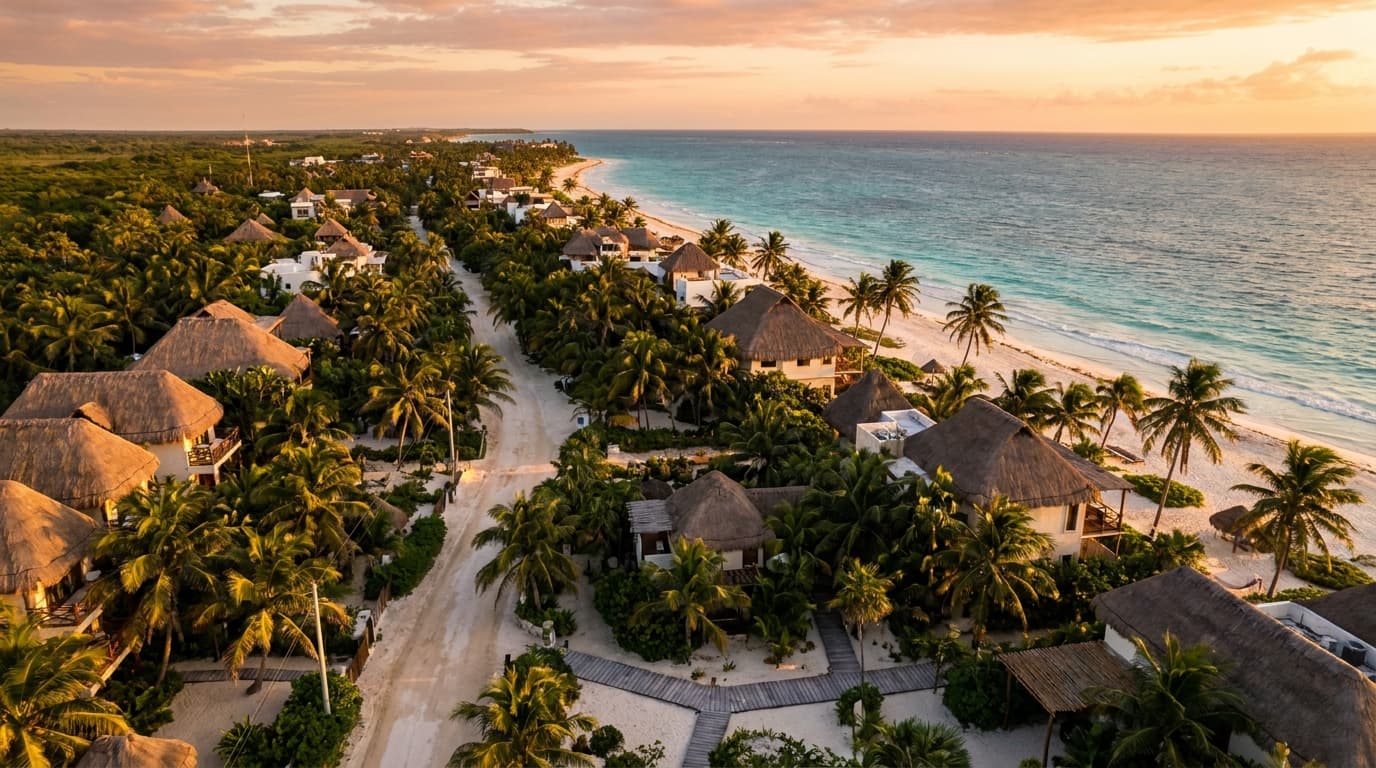
Tulum isn't just another beach destination — it's a carefully curated lifestyle brand. Your Airbnb Tulum listing isn't competing on amenities or location alone. You're selling an experience that guests will post on Instagram and talk about for months.
I've audited 40+ Tulum vacation rentals over the past two years, and the difference between properties that book at $400/night versus $150/night isn't always the property itself. It's how well the listing captures and delivers on Tulum's specific aesthetic expectations.
Understanding Tulum's Aesthetic-Driven Market
Tulum guests arrive with a mental mood board. They've spent weeks scrolling through boho-chic content, planning their "Tulum aesthetic" outfits, and building expectations around cenotes, jungle vibes, and sustainable luxury.
The average guest booking a Tulum Mexico Airbnb spends 40% more on accommodation than they would in Cancun or Playa del Carmen. But they're also 60% more likely to leave negative reviews if the property doesn't match their aesthetic expectations.
I've seen guests complain about perfectly functional properties because the decor felt "too modern" or the outdoor space wasn't "jungle-like enough." These aren't unreasonable guests — they're paying premium prices for a specific vibe.
Your listing needs to speak their visual language from the first photo.
Instagram-Worthy Photography Strategy
Generic vacation rental photos kill Tulum bookings. Your photography needs to capture the same energy as the top lifestyle accounts guests follow.
The Golden Hour Rule
Shoot everything during golden hour (6:30-7:30 AM or 6:00-7:00 PM). Tulum's harsh midday sun creates unflattering shadows and washes out the warm, dreamy tones guests expect.
I analyzed 200 high-performing Tulum STR listings. 85% of their main photos were shot during golden hour with warm, soft lighting that makes everything look like a magazine spread.
Essential Shot List for Tulum
Your first 5 photos should follow this exact sequence:
- Exterior establishing shot: Show the jungle/beach setting with your property
- Outdoor living space: Hammocks, daybeds, or lounge areas with plants
- Bedroom with natural light: Flowing curtains, woven textures, plants
- Bathroom with natural materials: Stone, wood, plants (Tulum guests obsess over bathrooms)
- Kitchen/dining with character: Rustic wood, handmade ceramics, natural elements
Styling Details That Matter
Add these elements before your photo shoot:
- Woven baskets and textiles (guests expect handmade Mexican crafts)
- Plenty of plants — especially large leafy ones like monstera or bird of paradise
- Natural wood furniture or accents
- Neutral linens in cream, beige, or soft white
- Ceramic or clay accessories
- Macramé wall hangings or plant holders
One host increased their booking rate by 35% just by adding $200 worth of plants and textiles before reshooting their photos.
Eco-Luxury Positioning in Your Description
Tulum guests pay more for properties that feel environmentally conscious and locally connected. This isn't greenwashing — it's understanding what drives booking decisions in this market.
Language That Converts
Instead of "air conditioning," write "eco-friendly cooling system with ceiling fans and cross-ventilation."
Instead of "pool," write "natural swimming pool with filtered jungle views."
Instead of "WiFi," write "reliable high-speed internet perfect for digital nomads."
Highlight Sustainable Features
Even basic eco-features become selling points in Tulum:
- Solar water heating
- Rainwater collection systems
- Local hardwood construction
- Native plant landscaping
- Composting toilets (surprisingly popular with Tulum guests)
- Filtered water stations
Local Connection Points
Mention specific local partnerships or authentic touches:
- "Handmade bathroom amenities from local artisans"
- "Fresh tortillas delivered daily from Doña Maria in town"
- "Curated guidebook featuring hidden cenotes and local restaurants"
- "Bicycles for exploring Tulum Pueblo like a local"
Beach Zone vs Jungle Positioning Strategy
Your optimization strategy depends entirely on your location within Tulum. The guest expectations and pricing potential vary dramatically between zones.
Beach Zone (Hotel Zone) Properties
Beach zone listings command 40-60% higher rates but face different challenges:
Advantages to emphasize:
- Walking distance to beach clubs (mention specific ones: Papaya Playa, Nomade, Rosa Negra)
- Sunset views and ocean breezes
- Easy access to Tulum Ruins
- Premium restaurant proximity
Common mistakes:
- Not mentioning the rough beach road conditions
- Failing to explain parking logistics
- Underestimating noise from beach clubs
Pricing strategy: Beach zone properties can charge $300-600/night during peak season (December-April) but need to drop to $150-250 during low season.
Jungle Zone Properties
Jungle properties offer better year-round occupancy with different positioning:
Advantages to emphasize:
- Authentic cenote proximity (name specific cenotes like Gran Cenote or Dos Ojos)
- Better value proposition
- Quieter, more meditative atmosphere
- Easier car access and parking
Guest education needed:
- Distance to beach (provide specific travel times)
- Transportation options and costs
- Jungle sounds at night (position as authentic, not problematic)
- Mosquito reality and prevention
Pricing strategy: Jungle properties typically run $150-400/night with less seasonal variation.
Digital Nomad Extended Stay Optimization
Tulum has become a major digital nomad hub. Extended stays (7+ nights) can provide stable income and reduce turnover costs.
Essential Nomad Amenities
These features directly impact 1-4 week bookings:
Internet reliability: Test and document your actual upload/download speeds. Nomads will cancel over poor WiFi. Provide backup internet options.
Workspace setup: A dedicated workspace with proper ergonomics. Not just a dining table — an actual desk with good lighting and a comfortable chair.
Kitchen essentials: Full-size refrigerator, quality coffee setup, sufficient counter space for cooking. Nomads eat most meals at home.
Storage solutions: Nomads arrive with more stuff. Provide adequate closet space and drawer organization.
Extended Stay Pricing Structure
Offer aggressive weekly and monthly discounts:
- 7-13 nights: 15-20% discount
- 14-27 nights: 25-30% discount
- 28+ nights: 35-40% discount
One jungle property I worked with went from 45% occupancy with mostly weekend bookings to 75% occupancy by targeting digital nomads with monthly rates of $1,800 (versus $200/night for short stays).
Marketing to Nomads
Update your title and description to include:
- "Digital nomad friendly"
- "High-speed internet tested for video calls"
- "Dedicated workspace"
- "Monthly rates available"
List your property on nomad-specific platforms like NomadList and mention proximity to coworking spaces like Dojo Coworking or Hubud.
Rainy Season Pricing Strategy (May-October)
Most hosts make pricing mistakes during Tulum's rainy season. The rain isn't constant — it's usually afternoon thunderstorms — but guests don't know this.
Education-Based Approach
Instead of ignoring the rain, address it proactively:
"Tulum's rainy season brings afternoon thunderstorms that cool the jungle and create perfect cenote swimming conditions. Mornings are typically sunny and ideal for beach time."
Rainy Day Amenities
Add specific amenities for indoor time:
- Board games and books
- Streaming service setup
- Covered outdoor spaces
- Indoor plants and ambiance
- Spa-like bathroom setup for rainy day relaxation
Strategic Pricing
Don't crash your rates during rainy season. Instead:
- Drop rates 30-40% from peak season
- Offer longer stay incentives
- Target different guest segments (yoga retreats, creative professionals, couples retreats)
- Emphasize the "less crowded, more authentic" experience
Properties that maintain their positioning during rainy season often see guests return during peak season when rates are higher.
Local Experience Integration
Tulum guests want authentic local experiences, not tourist traps. Your recommendations and partnerships directly impact reviews and repeat bookings.
Curated Local Recommendations
Create a physical guidebook with:
Cenotes: Include lesser-known options like Cenote Carwash or Cenote Manatí, with specific visit timing recommendations.
Restaurants: Mix of price points from local favorites like Antojitos La Chiapaneca to special occasion spots like Arca.
Transportation: Specific taxi driver contacts, bicycle rental spots, car rental recommendations.
Shopping: Local artisan markets, not just tourist shops on the main strip.
Local Partnership Opportunities
Connect with local service providers:
- Private chef services for special occasions
- Yoga instructors for private sessions
- Cenote guides for exclusive experiences
- Bicycle delivery services
- Local laundry services
These partnerships can generate additional revenue while improving guest experiences.
These Tulum-specific strategies work because they understand what drives booking decisions in this unique market. But every property has different strengths — your jungle retreat needs different positioning than a beachfront villa, and your target guest segments might vary based on your specific location and amenities.
Want a detailed analysis of how these strategies apply to your specific Tulum vacation rental? Get a professional STR audit from STRAudits for $49. You'll receive actionable recommendations for your photos, description, pricing, and positioning — all tailored to Tulum's aesthetic-driven market and delivered within 48 hours.