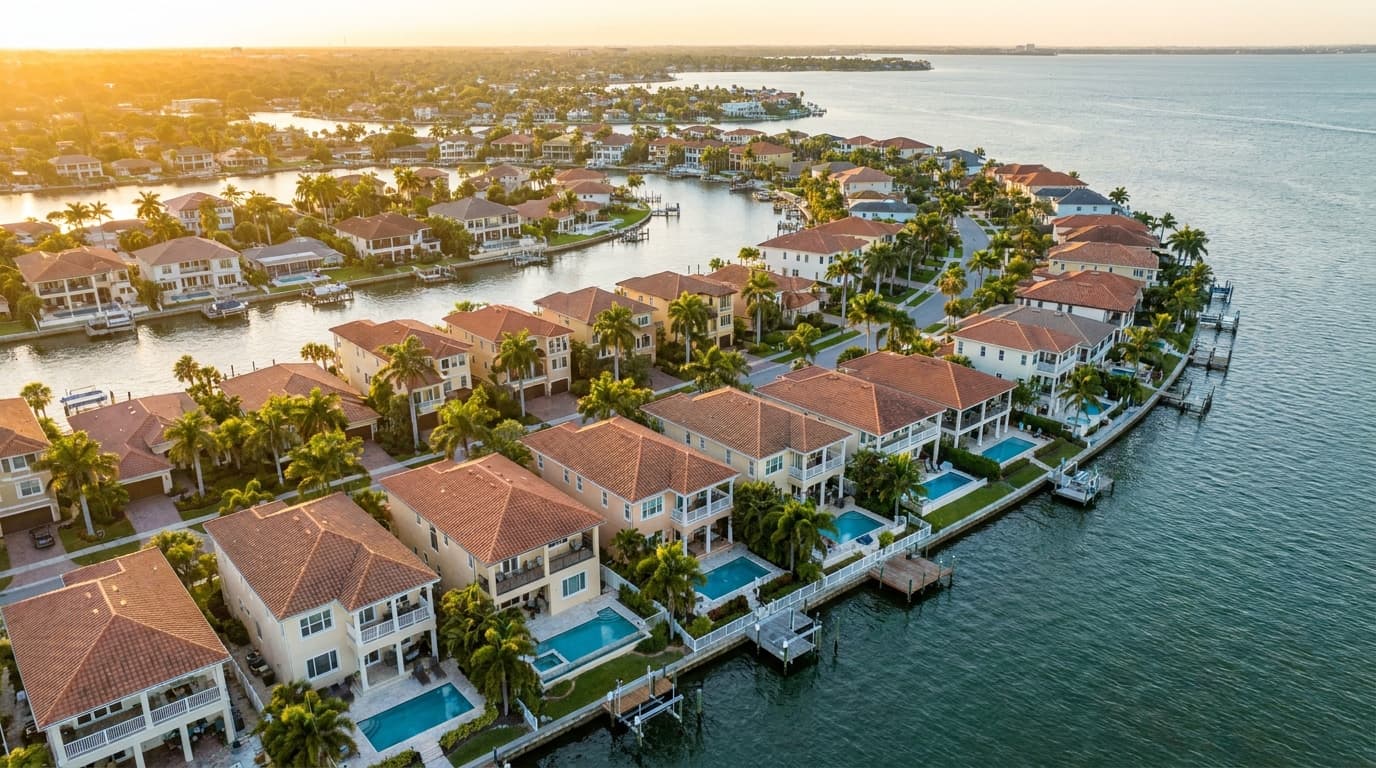
Tampa sits in a sweet spot that most hosts haven't figured out yet. While Miami and Orlando are saturated with short-term rentals, Tampa offers the same Florida appeal with less competition and better profit margins. The hosts who understand this market's unique dynamics have a real edge over their neighbors.
The city is growing fast — Tampa Bay added 83,000 new residents between 2020 and 2023, and corporate relocations are bringing steady business travel demand. But here's what makes Tampa special for Airbnb hosts: it's not just tourism. You have four distinct revenue streams that most Florida markets can't match.
Tampa's Hidden Revenue Streams
Most hosts think Tampa is just another beach destination. That's why they're leaving money on the table.
Tampa pulls visitors for business (major corporate headquarters), sports (Bucs, Lightning, Rays), events (Gasparilla, conventions), and yes, tourism. This diversity means you're not dependent on seasonal vacation patterns like other Florida markets.
In a market like this, the gap between top and bottom performers often isn't the properties themselves. It's how hosts position their listings for Tampa's specific market.
Ybor City vs Downtown: Choose Your Strategy
Your neighborhood choice determines your guest profile, and your guest profile determines everything else.
Ybor City works for budget-conscious groups who want nightlife access. Think bachelorette parties, young professionals, groups celebrating birthdays. These guests book 2-4 months out, stay Friday-Saturday, and care more about walkability to bars than amenities.
Position Ybor properties around nightlife access: "3-minute walk to Centro Ybor's best clubs" performs better than "charming historic neighborhood." Use photos that show the energy — street scenes, nearby restaurants, the trolley stop.
Downtown Tampa captures business travelers and upscale leisure guests. These visitors book 1-4 weeks out, stay Sunday-Thursday or extend weekends, and pay premium rates for convenience and quality.
For downtown properties, lead with business amenities: "High-speed WiFi for remote work," "5 minutes to corporate offices," "Quiet space for video calls." Adding a dedicated workspace and leading with it in your title is one of the simplest ways to stand out to this crowd.
Beach Proximity: Don't Oversell Distance
Here's where Tampa hosts make their biggest mistake: trying to compete with actual beachfront properties.
Tampa is 20-30 minutes from Clearwater Beach and St. Pete Beach. That's close enough to visit, but far enough that beach-focused guests will choose actual beachfront listings. Don't fight this — embrace city convenience instead.
Compare two ways to describe the same hypothetical Westshore property:
Version A: "Minutes from world-famous Clearwater Beach! Enjoy Tampa Bay's beautiful waters..."
Version B: "Heart of Tampa's business district. Walk to restaurants, quick drive to beaches when you want them."
Version B is the stronger pitch. Guests who want beach access above everything else won't book a Westshore property either way. But guests who want Tampa's urban perks with beach proximity as a bonus? Version B speaks directly to them.
Position beach access as an added benefit, not your main selling point. "Explore downtown Tampa by day, relax on Clearwater Beach by evening."
Business Travel: Your Steady Revenue Base
Tampa's corporate presence is massive and growing. Raymond James, Publix, WellCare, Jabil — these companies bring constant business travel demand that most vacation-focused hosts ignore.
Business travelers have specific needs that are easy to meet:
Wifi that actually works. Test your internet speed and include it in your listing. "200 Mbps fiber internet" converts better than "high-speed WiFi."
Workspace setup. A desk, good lighting, and a comfortable chair. Take photos of someone actually working at the desk.
Quiet environment. Business travelers need to take calls and work odd hours. Highlight "quiet neighborhood" or "soundproof windows" if true.
Reliable check-in. Self check-in is non-negotiable for business guests. They arrive at 11 PM and need to get inside without coordinating with you.
Imagine a Hyde Park listing getting mostly weekend party bookings and fighting noise complaints. Repositioning it for business travel (adding a workspace, highlighting the quiet residential street, adjusting photos to show the professional setup) can shift the guest mix toward business travelers, who tend to be easier on the property and less price-sensitive.
Sports Event Pricing: Your Quarterly Profit Boosters
Tampa sports create predictable demand spikes that smart hosts plan around. The Bucs, Lightning, and Rays (though they're technically St. Pete) drive serious revenue during their seasons.
Lightning playoffs (April-June): Hockey fans book early and pay premium rates. Downtown Tampa rates can jump sharply during deep playoff runs.
Bucs season (September-January): Football crowds stay longer than other sports fans — often making weekend trips out of Sunday games. Ybor and downtown properties do especially well.
Spring Training (February-March): Baseball fans from northern cities escape winter for 3-7 day trips. They book accommodations for entire series, not single games.
Track the sports calendar and adjust your pricing 3-4 months ahead. A host near Amalie Arena who anticipates Lightning playoff timing and adjusts rates early captures demand that last-minute adjusters miss.
Set minimum stays during major events — two nights for playoff games, three nights for season openers. Sports fans expect this and budget accordingly.
Year-Round Weather: Your Competitive Advantage
Tampa's weather consistency is a massive advantage that most hosts undervalue. While northern cities deal with seasonal demand swings, Tampa maintains steady appeal year-round.
Winter months (December-February) are your strongest season. Northerners escaping cold weather book longer stays and pay higher rates. Position this with phrases like "escape the snow" and "warm weather refuge."
Summer months (June-August) are traditionally slower, but Tampa's indoor attractions and business travel keep demand steady. Don't drastically drop summer rates — instead, target business travelers and longer stays.
Hurricane season (June-November) requires smart communication. Don't ignore it, but don't overemphasize it either. Include a line about hurricane preparedness in your house rules, and have a clear cancellation policy for weather emergencies.
The key is consistency in your marketing. While beach destinations push seasonal messaging, Tampa works year-round. Your photos should include indoor spaces and activities, not just outdoor scenes.
Local Events That Drive Bookings
Tampa's event calendar creates booking opportunities beyond sports. Smart hosts track these and adjust pricing:
Gasparilla (January): Tampa's massive pirate festival brings 300,000+ visitors. Book rates 6 months ahead — this is your biggest event weekend.
Florida State Fair (February): Brings families from across central Florida for multi-day trips.
Convention Center events: Tampa hosts 100+ conventions annually. These business travelers need accommodations and often extend stays for leisure.
University events: USF graduation, homecoming, and major events create parent and alumni demand.
Track these events in a calendar and adjust pricing 90 days out. Most hosts wait until the last minute and miss the early booking window when demand is highest.
Practical Steps to Optimize Your Tampa Airbnb
1. Audit your title and description. Are you positioned for Tampa's actual market or trying to be everything to everyone?
2. Review your photos. Do they show Tampa-specific appeals — city views, business amenities, local neighborhood character?
3. Check your calendar pricing. Are you accounting for sports seasons, business travel patterns, and major events?
4. Evaluate your guest profile. Track who's booking and adjust your positioning to attract more of your highest-value guests.
5. Test messaging changes. Tampa's market is still developing. Small positioning changes can create big results.
The hosts who succeed in Tampa understand they're not competing with beach destinations or theme park markets. They're serving a unique mix of business travelers, sports fans, and urban tourists who want Florida weather with city convenience.
Tampa's STR market still has room for hosts who position their listings correctly. But as corporate growth continues and more hosts enter the market, the window for easy wins is closing.
If you want to optimize your Tampa listing before competition intensifies, get a detailed audit from STRAudits. Our $49 audit covers title optimization, photo strategy, pricing recommendations, and positioning advice specific to Tampa's market — delivered in 48 hours.