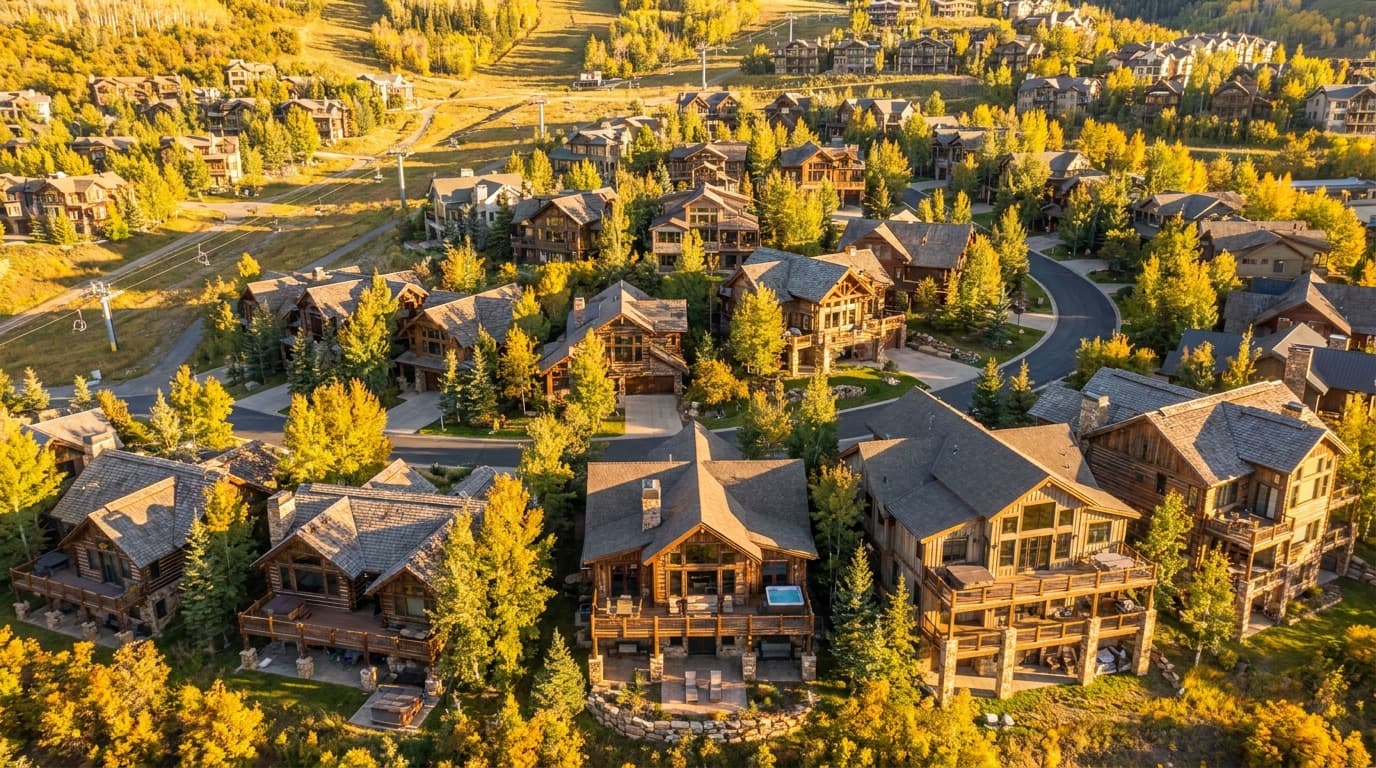
Park City's Airbnb market is unlike most others. While most ski towns follow predictable seasonal patterns, Park City delivers two distinct peak seasons that can make or break your annual revenue. The difference between a mediocre Park City vacation rental and a top performer often comes down to understanding these unique market dynamics.
After 12 years of hosting and managing 100+ properties, I know how much revenue hosts leave on the table by not positioning their property correctly for Sundance Film Festival and ski season. Here's what works in Utah's most competitive STR market.
Park City Market Overview
Park City operates on a dual-peak system that creates unique optimization opportunities. January brings Sundance Film Festival crowds willing to pay $800-1,500/night for basic accommodations. December through March attracts ski families dropping $400-800/night for slope access. Summer mountain biking season fills the gap with $250-400/night rates.
Your listing optimization strategy needs to account for three distinct guest personas: film industry professionals during Sundance, ski families during winter, and mountain biking enthusiasts in summer. Each group searches differently and values different amenities.
The mistake I see most Park City hosts make is trying to appeal to everyone simultaneously. Your title and description should lead with your strongest seasonal positioning, then mention secondary benefits.
Location determines everything in Park City. A condo near Park City Mountain Resort commands different rates than one near Deer Valley, and both outperform properties requiring shuttle service. Old Town proximity matters year-round, but ski access drives winter premiums.
Sundance Film Festival Pricing Strategy
Sundance runs mid-to-late January, but your optimization window starts in September. Film industry bookers start securing accommodations 4-5 months ahead, and they search differently than leisure travelers.
For Sundance positioning, lead with location specifics in your title. Instead of "Cozy Park City Condo," use "Old Town Park City Condo - 3 Blocks to Main Street." Sundance attendees care more about downtown proximity than ski access.
Your pricing strategy should treat Sundance as a separate season. Sundance-weekend rates can run several times higher than an ordinary December night. The festival runs 10-11 days, but demand spikes Thursday-Sunday during both weekends.
Set minimum stays of 3-4 nights during Sundance. Film professionals often need housing for the entire festival duration, and shorter stays leave money on the table. Switching from 2-night to 4-night minimums is one of the simplest Sundance fixes available.
Update your amenities section to highlight Sundance-relevant features: fast wifi for film downloads, workspace areas for laptop use, and parking (crucial during festival crowds). These details matter more to industry professionals than hot tubs or game rooms.
Your January calendar should be live and optimized by October 1st. Sundance accommodations get booked early, and latecomers pay premium rates for whatever's available. This isn't leisure travel booking patterns — it's business travel urgency.
Ski-in/Ski-out Messaging Optimization
True ski-in/ski-out properties in Park City command significant premiums over shuttle-dependent listings. But the definition of "ski access" gets fuzzy in marketing, and guests notice.
If you're genuinely ski-in/ski-out, lead with that in your title: "Ski-in/Ski-out Park City Condo at Park City Mountain." But be specific about which resort. Park City Mountain Resort and Deer Valley have different clienteles and price points.
For properties requiring short walks to lifts, use "steps to slopes" or "walk to lifts" instead of ski-in/ski-out. Guests who expect true ski access and get a 5-minute walk instead leave disappointed reviews.
Deer Valley positioning requires different messaging than Park City Mountain Resort. Deer Valley guests skew older and wealthier, caring more about luxury amenities and less about après-ski nightlife. Your photos and description should reflect upscale positioning.
Include specific walk times to lifts in your description: "2-minute walk to Park City Mountain gondola" or "50 yards to Deer Valley's Silver Lake Express." Vague terms like "close to slopes" mean nothing to guests comparing options.
For shuttle-dependent properties, emphasize free shuttle service but position it as convenience, not necessity. "Free Park City shuttle picks up at your door every 15 minutes" sounds better than "shuttle required for ski access."
Main Street Proximity Positioning
Old Town Park City's Main Street drives year-round value, but seasonal messaging varies. Winter guests want après-ski dining options. Sundance attendees need venue access. Summer visitors seek mountain biking gear shops and restaurants.
Properties within 3-4 blocks of Main Street should lead with this positioning. "Historic Old Town Park City" carries premium perception over generic "Park City" location descriptions.
Use specific Main Street landmarks in your description. Instead of "walking distance to restaurants," mention "2 blocks to High West Saloon and Wasatch Brew Pub." Guests research these venues and appreciate exact positioning.
Main Street proximity matters more during Sundance than ski season. Film festival venues concentrate downtown, while ski resorts are the winter draw. Adjust your primary positioning based on peak season demand.
For properties further from Main Street, emphasize other location benefits. Proximity to grocery stores, free parking, or quieter neighborhoods all appeal to specific guest segments.
Don't oversell Main Street access if it requires uphill walks or long distances. Park City sits at 7,000 feet elevation, and guests notice workout-level walks to dinner. Be honest about terrain and distance.
Summer Mountain Biking Season
Park City's summer season gets overlooked by hosts focused on winter sports, but mountain biking brings solid occupancy from June through September. Rates drop from winter peaks, but consistent bookings offset seasonality.
Mountain biking guests search for different amenities than skiers. Bike storage, washing stations, and gear drying areas matter more than ski equipment rooms. Update your summer amenities list accordingly.
The Mid Mountain Trail and Park City Mountain Resort bike park drive summer demand. Properties offering easy trail access command premiums over town-center locations during summer months.
Summer messaging should emphasize outdoor activities beyond biking. Hiking trails, scenic lifts, and mountain festivals broaden your appeal. The Utah Olympic Park operates year-round and attracts families.
July and August see family vacation patterns with longer stays and different booking timelines. Adjust minimum stay requirements and pricing strategy to capture week-long family bookings versus weekend ski trips.
Summer guests often drive from Salt Lake City or regional markets rather than flying in for ski vacations. Parking availability becomes more important, and kitchen amenities matter for longer family stays.
Luxury vs Family Positioning
Park City's vacation rental market splits between luxury properties targeting affluent ski families and mid-range options serving broader demographics. Your positioning determines pricing power and guest expectations.
Luxury positioning requires immaculate photos, high-end amenities, and premium descriptions. Properties renting for $600+ nightly need to deliver resort-level experiences. Hot tubs, high-end kitchens, and luxury linens become table stakes.
Family positioning emphasizes practical amenities over luxury touches. Multiple bedrooms, game rooms, kitchen space, and kid-friendly features drive bookings for multi-generational ski trips.
Deer Valley properties naturally skew luxury due to resort positioning. Park City Mountain Resort attracts broader demographics, allowing more positioning flexibility based on your property's actual amenities.
Your photo order should match your positioning strategy. Luxury properties lead with architectural shots and high-end amenities. Family properties showcase bedrooms, living spaces, and activity areas first.
Pricing strategy follows positioning. Luxury properties can command premium rates but face higher guest expectations. Family-positioned properties compete on value but achieve higher occupancy rates.
Don't position up-market if your property doesn't deliver luxury experiences. Mixed messages create disappointing reviews that hurt long-term performance. Better to own the family-friendly segment than disappoint luxury guests.
These optimization strategies work across Park City's diverse STR market, but every property faces unique positioning challenges. Your exact location, amenities, and target guest segments require specific tactical adjustments that generic advice can't address.
If you want detailed recommendations tailored to your Park City Airbnb, get a professional audit from STRAudits. For $49, you'll receive specific optimization recommendations for your title, photos, pricing strategy, and seasonal positioning — delivered within 48 hours.