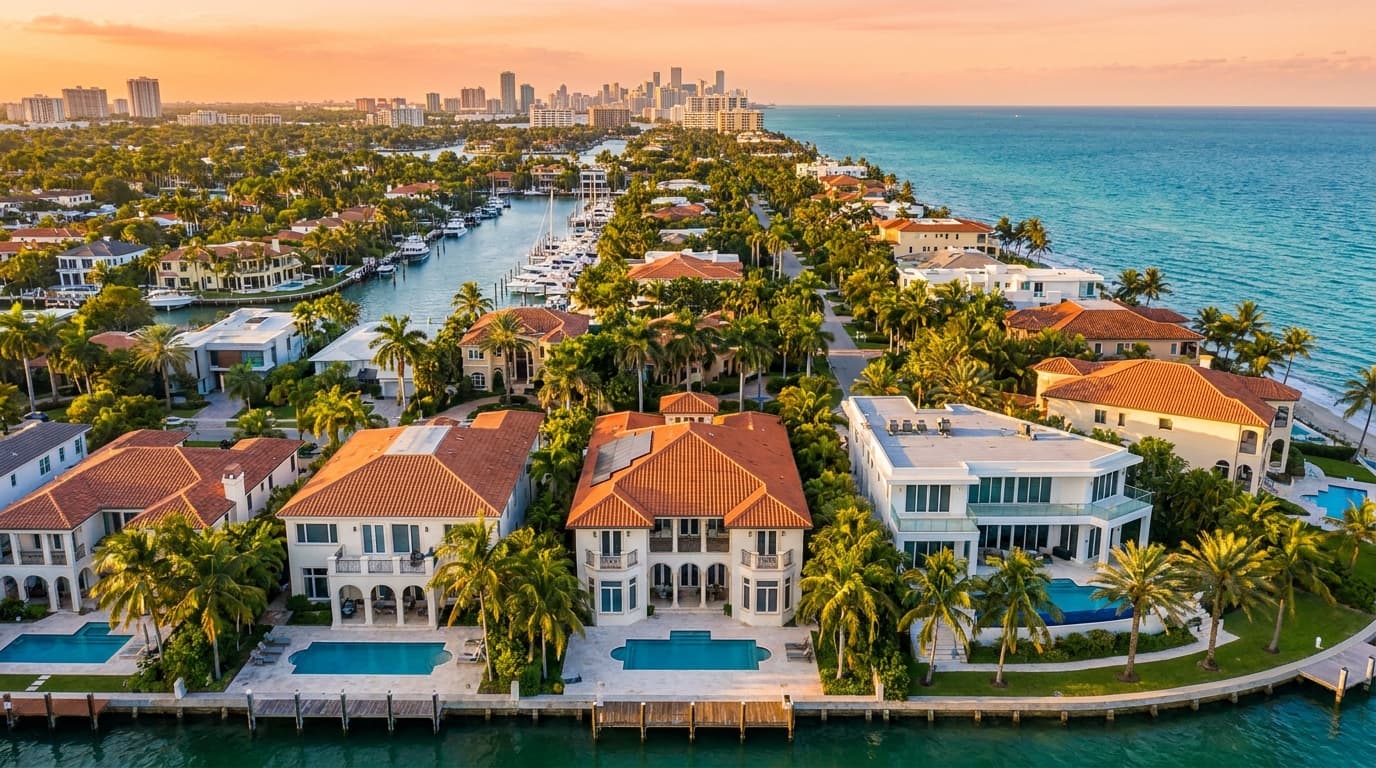
Miami hosts face one of the toughest short-term rental markets in America. You're competing against luxury hotels on Collins Avenue, thousands of condo listings, and a city that never stops partying. After 12 years of hosting and managing 100+ properties, I've learned what tends to separate the booked properties from the empty ones.
The hosts who stay booked understand Miami's unique dynamics. They know Art Basel guests pay different rates than spring breakers, and they position their listings accordingly.
Miami Market Dynamics and Competition
Miami-Dade has over 10,000 active Airbnb listings competing for the same guests. Your direct competition isn't just other vacation rentals — it's the Fontainebleau, the Edition, and every condo building from Brickell to Key Biscayne.
Two listings a few blocks apart can have very different occupancy. The difference isn't location alone — it's optimization.
Your biggest advantage over hotels is space and experience. A family of six can't fit comfortably in most Miami Beach hotel rooms. A group of friends can't pre-game for LIV nightclub in a Marriott lobby. Play to these strengths.
Hotels win on consistency and brand recognition. You win on character, space, and local knowledge. A well-optimized Miami Airbnb should feel like staying at a friend's place who happens to have incredible taste and knows all the best spots.
Beach Proximity as Your Biggest Asset
Distance to beach drives everything in Miami. As a rough guide, nightly rates tend to step down like this:
Ocean-facing properties: $400-800/night depending on building and season 1-2 blocks from beach: $200-400/night 3-5 blocks from beach: $150-250/night Inland Miami Beach: $100-200/night Brickell/Downtown: $80-180/night
If you're within walking distance of the beach, lead with it. Don't bury "2 blocks to beach" in paragraph three of your description. Put it in your title: "Stylish 2BR Condo - 1 Block to South Beach."
Your hero photo should show the beach view if you have one. If you don't have a beach view, show the beautiful walk to the beach. I've seen hosts photograph the actual path from their building to the sand, including walking time. It works.
For listings more than 10 blocks from the beach, pivot to other strengths. Brickell hosts should emphasize the downtown energy, rooftop pools, and proximity to nightlife. Wynwood listings should lead with the art scene and walkability to galleries.
Art Basel and Ultra Music Festival Pricing
Miami's event calendar creates massive pricing opportunities that most hosts miss. Art Basel (December) and Ultra Music Festival (March) can generate an outsized share of your annual revenue if you price correctly.
Art Basel Week (December 1-10):
- Luxury listings: $800-2,000/night
- Mid-tier properties: $400-800/night
- Budget listings: $200-400/night
- Minimum 4-5 night stays
Art Basel guests are different from typical Miami visitors. They're cultural tourists with higher budgets who value design and art. Your listing photos should emphasize clean, modern spaces. If you have any art on the walls, highlight it. Even mass-produced pieces look intentional when photographed well.
Ultra Music Festival (Late March):
- Party-friendly properties: $500-1,200/night
- Quiet, family-oriented spaces: Lower demand, keep regular rates
- Groups of 6+: Premium pricing opportunity
Ultra attracts young party groups. If your property can handle this crowd (and your building allows it), lean into the party aspect. Show the space for getting ready, emphasize multiple bathrooms, and mention proximity to the festival grounds at Bayfront Park.
If your property isn't party-friendly, block these dates or keep regular rates. Don't try to capture demand that doesn't fit your space.
Miami Music Week (March): Between Ultra and Winter Music Conference, March becomes a month-long music festival. Hosts who understand this dynamic often book solid for 30+ days at premium rates.
Condo vs House Listing Strategies
Miami's vacation rental market splits between high-rise condos and single-family homes. Each requires different positioning.
High-Rise Condo Strategy
Miami Beach and Brickell condos win on amenities and views. Your listing should sell the building experience, not just your unit.
Amenity photography is crucial. Most condo hosts show generic apartment interiors. Show the rooftop pool at sunset. Show the gym with city views. Show the lobby that makes guests feel like they're staying somewhere special.
Building restrictions often limit party groups, which attracts families and couples. Emphasize this in your description: "Quiet building perfect for families" or "Adult-focused property with peaceful atmosphere."
Parking matters more in condos. Miami parking is expensive and complicated. If you include parking, mention it in your title and first paragraph. If parking costs extra, be transparent about rates ($25-40/night is typical).
Single-Family Home Strategy
Houses in areas like Coconut Grove, Coral Gables, or Miami Shores compete on space and privacy. Your advantage is the full experience.
Show the outdoor space first. Miami visitors want to be outside. Lead with photos of your pool, patio, or garden. Interior photos come second.
Private pools are game-changers. A basic house with a private pool often outperforms luxury condos with shared amenities. Price accordingly — private pools typically add $100-200/night to your rates.
Group-friendly positioning works for houses. Unlike condos with noise restrictions, houses can accommodate bachelorette parties, family reunions, and friend groups. If your space works for events, say so clearly.
International Guest Optimization
Miami attracts more international visitors than almost any US city. Your listing optimization should reflect this reality.
Language considerations: Include basic Spanish phrases in your welcome book. Many guests come from Latin America and appreciate the effort. You don't need to be fluent, but "Bienvenidos" goes a long way.
Currency and pricing: International guests often comparison shop in their home currency. Airbnb handles conversion, but your pricing should account for exchange rate psychology. Prices ending in round numbers ($200, $300) often convert to cleaner amounts in other currencies.
Local transportation: International guests don't know Miami transportation. Explain ride-sharing costs, public transit options, and walking distances to popular areas. A simple chart showing Uber costs from your property to key destinations helps guests budget and reduces "How do I get to..." messages.
Cultural attractions: Hotels promote generic tourist spots. Your listing should mention authentic Miami experiences. Recommend specific restaurants in Little Havana, art galleries in Wynwood, or beach clubs that locals actually visit.
Seasonal Pricing Patterns
Miami's seasons don't follow the calendar — they follow weather and events. Understanding these patterns is crucial for revenue optimization.
Peak Season (December-April):
- Snowbirds escaping winter create consistent demand
- Baseline rates should be 40-60% above summer pricing
- Event pricing creates spikes within this period
- Minimum stays of 3-7 nights work well
Shoulder Season (May and November):
- Weather is still excellent but crowds thin out
- Perfect for targeting international visitors and families
- Rates drop 20-30% from peak
- Flexible cancellation policies capture last-minute bookings
Low Season (June-October):
- Hurricane season creates booking anxiety
- Locals and budget travelers become your primary market
- Rates drop 40-50% from peak
- Offer monthly discounts to attract longer-term stays
Hurricane Season Strategy: Don't ignore September and October entirely. Miami rarely gets direct hits, but guests worry. Counter this with flexible cancellation policies and local knowledge. Explain your hurricane preparedness and building safety features.
The mistake I see most often is hosts dropping rates too aggressively in summer. A 60% rate drop signals desperation. A 40% drop with added value (free parking, late checkout, welcome drinks) maintains your positioning while attracting price-sensitive guests.
Pricing Against Hotel Competition
Your biggest competitors aren't other Airbnbs — they're hotels. Miami Beach hotels range from $200/night budget properties to $1,000+ luxury resorts. You need to understand where you fit.
Luxury hotel competition ($400+/night): If you're competing at this level, everything must be perfect. Professional photography, designer furnishings, premium amenities, and white-glove service. Half-measures don't work in luxury.
Mid-tier hotel competition ($200-400/night): Most successful Miami Airbnbs compete here. You win on space, kitchens, and local character. A 2-bedroom condo with ocean views can easily compete with $300/night hotels by offering more space and better value for families or groups.
Budget hotel competition (Under $200/night): Difficult to compete profitably after Airbnb fees and cleaning costs. Focus on specific niches: international backpackers, extended stays, or groups who need multiple beds.
Hotel comparison in your listing: Don't bash hotels, but subtly highlight your advantages. "Unlike crowded hotel pools, enjoy our private rooftop deck" or "Skip expensive hotel dining with your fully equipped kitchen."
Miami's Airbnb market rewards hosts who understand the city's unique dynamics. Beach proximity, international appeal, and event-driven demand create opportunities that don't exist in other markets.
But general Miami tips only get you so far. Your Art Deco studio needs different optimization than your Brickell high-rise or Coconut Grove house. Your specific neighborhood, building amenities, and guest demographics require a tailored approach.
That's where a professional audit makes the difference. Get a detailed STRAudits review for $49 and receive specific recommendations for your Miami property. We analyze your competition, optimize your photos and description, and provide pricing strategies based on your exact location and property type — delivered within 48 hours.